

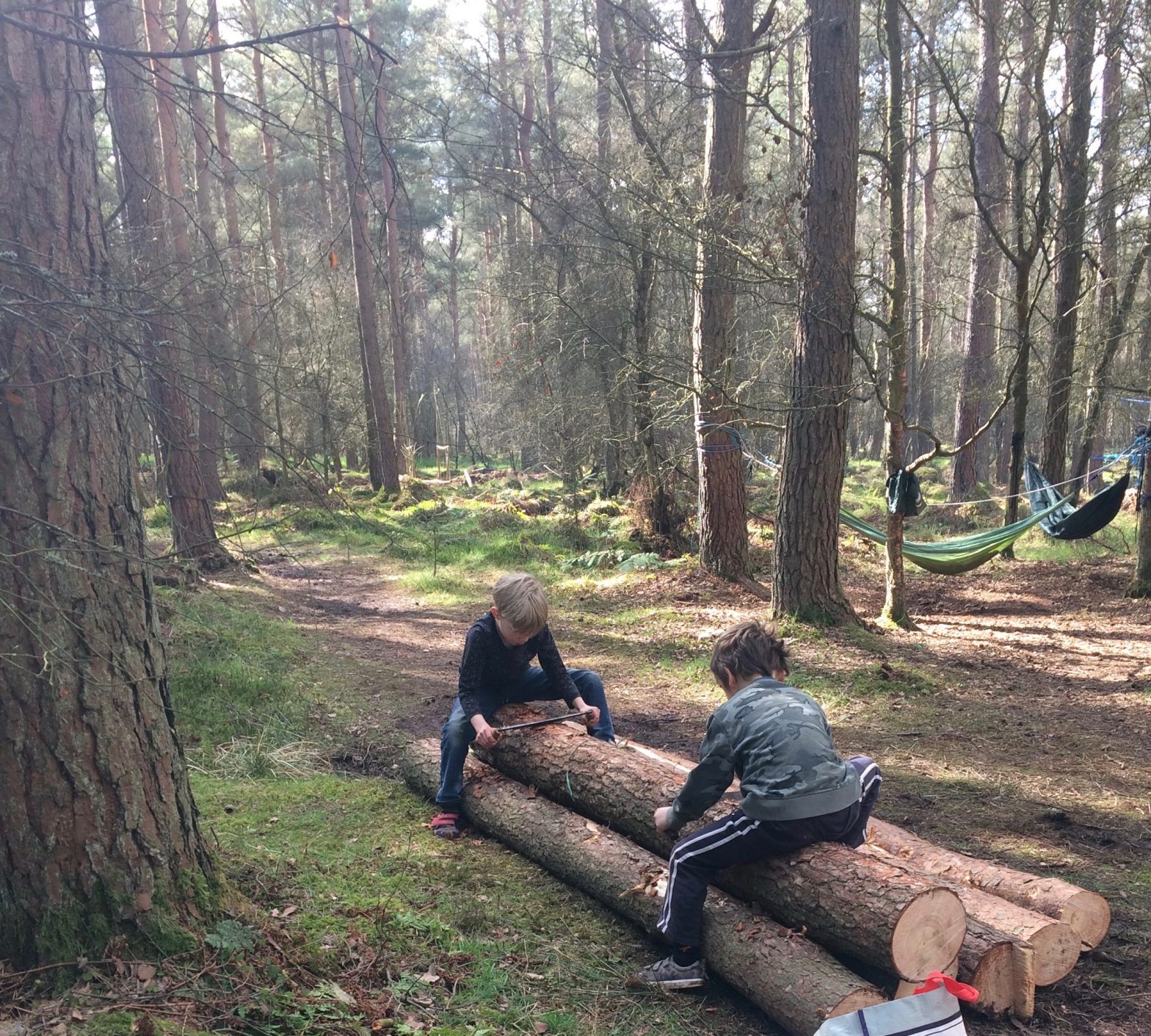
You may notice that we will very rarely ask a child to share or to give another child a turn. Similarly, you may notice that we may not jump to intervene when a child is struggling or there is a disagreement between children.
You may instead hear phrases such as ‘I wonder…..’, ‘what if…..’, ‘how do you feel about it?’, ‘what should we do next?’ Or ‘do you need my help?’. You may also hear us sharing our own thoughts and feelings in the moment, or from previous experiences.
This approach is sometimes called ‘mentalising’ which is the process by which we hold awareness of our own mind, thoughts, feelings, reactions, and those of others. It is also how we make sense of other people’s minds and thought processes as separate from our own. Most of us are not consciously aware of this process, although it is happening all the time in social situations.
Through describing what we see in a situation and bringing curiosity about it, ‘wondering’ about how a child sees or feels about a situation, we aim to support them in building this capacity.
As children build this capacity to be more aware of their own and others’ internal states and minds, we will see natural unprompted sharing and turn taking and an increased ability to work together and resolve difficulties.
But… it does’t happen overnight, it takes time, space, practice and… our trust. It can be a slow process, especially when a child has added obstacles of adverse childhood experiences to manage. It can also develop differently, and on a different time scale in neurodiverse children. At one time it was thought that many neurodiverse people did not have this capacity, however, many neurodiverse children and adults will tell you that is absolutely not true!
As their mentalising ability develops, a child may be able to consider others one minute and not the next. When under stress or overwhelmed, they are likely to return to previous patterns, but all is not lost, when their stress and emotional arousal is reduced again, what they have gained is still there. This is especially true when there is someone close by who can bring this curiosity and ‘wonder’ with the child about what might be going on.
It can also be part of a very natural process for children with ACE (Adverse Childhood Experiences) to ‘hoard’ resources or food and feel very possessive about people and places. Through building relationships, trust, providing predictability and allowing children an appropriate level of control of themselves and their environment, along with ‘mentalising’ along with them this can gradually reduce.
So… sharing can be scary, but with curiosity and support, it will happen when they’re ready.

Comments are closed